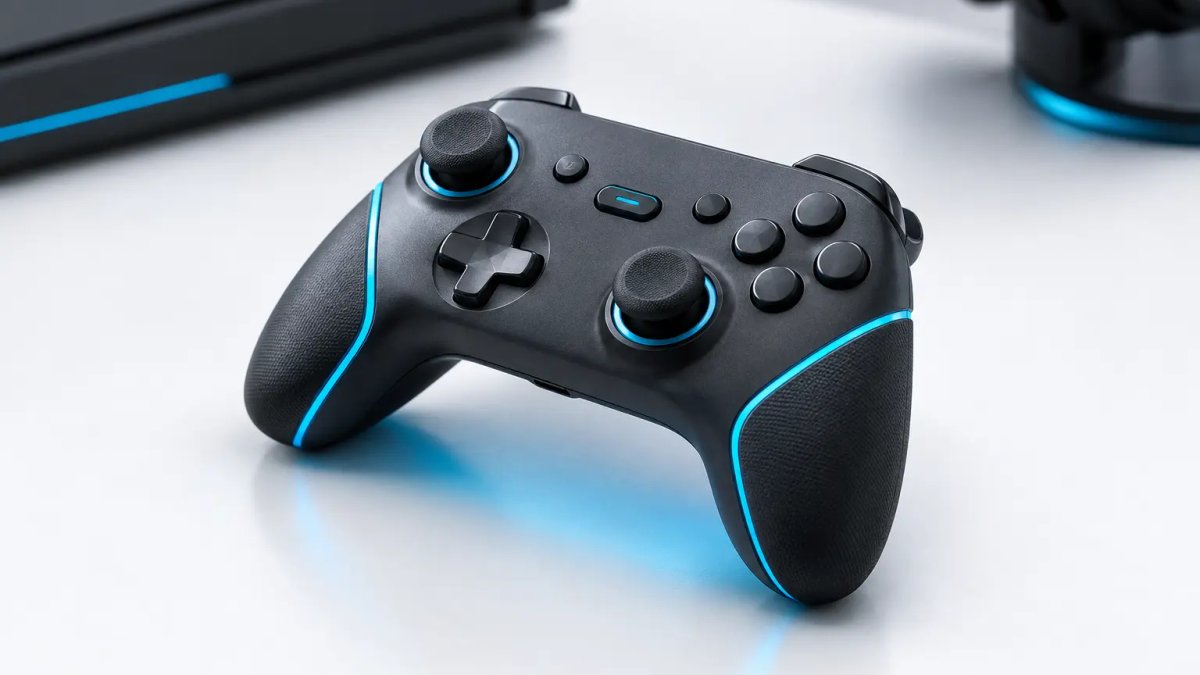
Microsoft announced the Xbox Nano Controller on October 14, a smaller and lower-priced gamepad aimed at younger players, people with smaller hands, and anyone who wants a more portable way to play. According to Gamereactor Norge, the controller costs $49.99, making it the smallest controller Xbox has ever released and cheaper than the standard pad.
The Nano measures just over 12.7 centimeters (five inches) in length and weighs only 99 grams (3.5 ounces). Despite the reduced size, it keeps all 18 standard buttons, and it adds a rechargeable battery plus a programmable action button for shortcuts such as screenshots and video capture. The controller supports both Xbox Wireless and Bluetooth on compatible devices.
Pre-orders are now open, with availability beginning in November in selected markets. Microsoft says more markets will follow, and that prices may vary from country to country.
Why it matters
The Nano lands at a moment when the cost of playing games is under fresh scrutiny. Microsoft has recently said that time limits for cloud gaming will soon mean some users have to pay more to keep playing, though it has not yet specified exact thresholds or extra charges, according to Gamereactor Norge.
A cheaper, lighter controller fits neatly into that picture. Cloud play depends on a device people already own — a phone, a tablet, a TV — and a pad that travels easily and costs less lowers the barrier for households that would not buy a full-price controller for a second or third player. Microsoft's own product details describe the Nano as particularly suited to cloud play, GameSpot reports.
The timing also matters commercially. The announcement comes as Microsoft ties the Nano to two promotions around the US holiday season, pairing hardware with subscriptions rather than selling the controller on its own.
Two holiday bundles pair the pad with Game Pass Ultimate
The first promotion is a bundle deal offering two months of Game Pass Ultimate for new subscribers who buy selected Samsung TVs. The second pairs the controller with two months of Game Pass Ultimate for new members who purchase a Meta Quest headset.
Samsung's TV Gaming Hub supports the Xbox app, which lets players in selected regions use cloud gaming alongside the new controller. That combination is central to how Microsoft is positioning the Nano: a small, inexpensive accessory that turns a television or a headset into a place to play without a console.
Both offers target first-time subscribers, which suggests Microsoft is using the controller as a hook to bring new people into its subscription ecosystem rather than simply refreshing its hardware lineup.
A small pad with a full set of controls
What stands out about the Nano is how little Microsoft gave up to shrink it. The company says the controller retains all 18 standard buttons, so the layout players already know carries over. The rechargeable battery removes the need for disposable cells, and the programmable action button handles shortcuts like screenshots and video capture without digging through menus.
Connectivity covers both Xbox Wireless and Bluetooth on compatible devices, meaning the pad can pair with Xbox hardware and with phones, tablets and other Bluetooth-capable products. That dual support is what makes the portability claim more than a marketing line — the same controller can move between a living room console and a phone on a train.
At just over five inches long and under 100 grams, the Nano is aimed squarely at hands the standard controller does not fit well. Microsoft frames younger players and people with smaller hands as core audiences, alongside travelers who want something that slips into a bag.
Price, availability and what is still unclear
At $49.99, the Nano undercuts the standard Xbox controller, though Microsoft notes that pricing will differ by market. Pre-orders are live now, and the first markets get the controller in November, with additional countries to be added later. Microsoft has not said which markets are in the first wave.
The cloud gaming changes remain the biggest open question. Microsoft has confirmed that some users will eventually pay more to continue playing in the cloud past certain limits, but it has not published the limits or the added costs. How the Nano's audience — younger players and casual cloud users — responds to those terms could shape how the controller is received.
For now, the pitch is straightforward: a smaller pad, a lower price, and two subscription bundles timed for the holiday shopping period.
Watch for Microsoft to name the November launch markets and to detail the cloud gaming limits it has so far left unspecified.